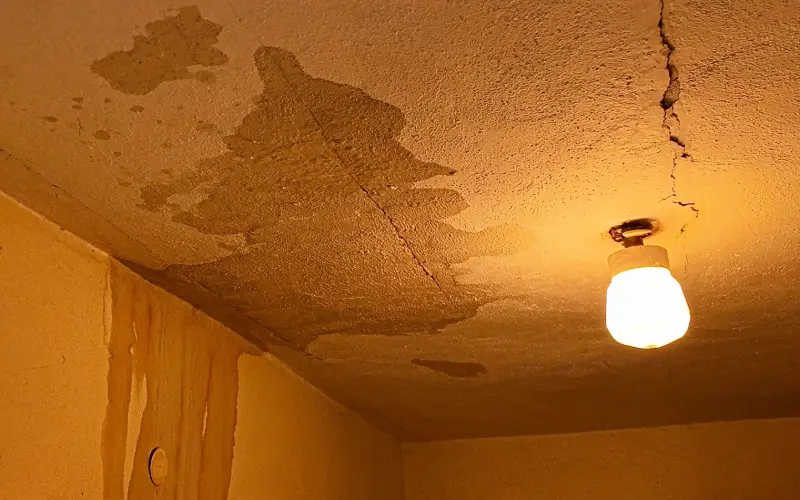
“I have water damage from the condo above me; what should I do?” This question comes up more often than people think. In condominium associations, it is important to distinguish between condo and owner responsibility.
Is the HOA Responsible for Water Damage from Condo Above Me?
Responsibility for water damage in a condo unit depends on the situation. There is no universal answer, and associations must evaluate each case.
In Illinois, a condo association may be responsible for repairing water damage from an upstairs unit. According to 765 ILCS 605/18.4, condo boards must maintain, repair, and replace common elements. These can include shared plumbing systems, structural components, and other areas outside individual units.
If a shared pipe bursts and damages a unit below, the condo association generally handles repairs to the common plumbing system. That said, responsibility for the resulting interior water damage depends on the governing documents and the insurance policy.
Meanwhile, if a leak stems from a privately owned fixture, responsibility may shift. The upstairs owner may be on the hook for the repairs. For example, if an upstairs owner forgets to turn off the water and an overflowing bathtub or sink causes water damage to the unit below, they may be liable.
It is important to first determine the source of the leak before pointing fingers.
Water Leak Apartment Above: Who Pays?
When there is a water leak from the apartment above, the condo association, the upstairs owner, or the downstairs owner may be responsible depending on the situation.
1. Condo Association
In general, the condo association handles maintenance and repairs to common elements. For example, if a shared plumbing line bursts between two floors and the water seeps through to the unit below, the condo board typically covers the repairs to the pipe.
Depending on the condo’s master insurance policy, it may also cover some of the damage to the building and interior units. Board members should check with their insurance carrier before promising anything.
2. Upstairs Condo Owner
When there’s a leak from an upstairs condo, who pays?
If negligence played a role, the upstairs owner may be responsible for the repairs. For example, if they know about an issue with their washing machine and use it anyway, they might be liable if the downstairs unit gets water damage.
Condo insurance also comes in handy here. An owner’s HO-6 policy can help cover damage to other units, even if it started in their own unit. Illinois law even requires insurance under 765 ILCS 605/12.
That said, responsibility depends on the circumstances and the governing documents.
3. Downstairs Condo Owner
In some cases, the affected unit owners can cover certain repairs. For example, the owner’s insurance may cover damaged furniture, personal belongings, and interior improvements not included in the condo association’s policy.
What Causes Water Damage from Upstairs Condo?
Several potential causes of water damage from an upstairs unit include burst pipes, overflowing fixtures, appliance leaks, failed waterproofing, and neglected maintenance.
- Burst Pipes. Plumbing lines can become damaged over time or by an external force. When pipes burst, they can release large amounts of water into the walls and ceilings.
- Overflowing Fixtures. Human error can also result in water damage. If an upstairs owner fails to turn off the water in the bathtub or sink, for instance, it can overflow into the unit below.
- Appliance Leaks. Appliances such as washing machines and dishwashers can leak because of a damaged part.
- Failed Waterproofing. This often happens in the bathroom, where shower seals or other waterproofing efforts fail due to wear and tear.
- Neglected Maintenance. Owners may delay necessary repairs or knowingly ignore maintenance problems.
What Should Owners Do About Water Damage from Neighbor?
When water damage comes from an upstairs neighbor, owners should document the damage, notify the association, contact the unit owner above, request an inspection, and review their insurance to settle the issue. It is important to act fast, as delays can worsen the problem and lead to more expensive repairs.
1. Document the Damage
First, the owner should take photos and videos of the water damage. They should also document where the damage is located, including ceilings, walls, floors, and personal belongings.
2. Notify the Association
Owners must report the problem to the condo board or management company as soon as possible. This way, they can take mitigating action and potentially investigate the issue.
3. Contact the Upstairs Owner
“The condo above me is leaking; what should I do?” The owner should get in touch with their neighbor above. Let them know that there’s a leak so they can check what’s causing it on their end. If it’s an overflowing sink, for instance, they can turn it off immediately.
4. Request an Inspection
When dealing with water damage from the condo above me, owners should avoid assigning blame before an investigation. Owners should ask a plumber or other related professional to check the source and extent of the damage. Some may not be visible in plain sight.
5. Review Insurance Coverage
Finally, everyone should contact their insurance providers. This will help determine whether any of the damage is covered by a policy.
Can the HOA Refuse to Repair Water Damage Condo?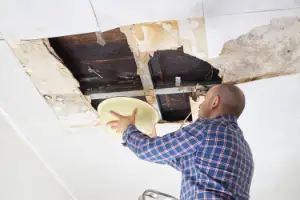
A condo association may reject responsibility for water damage that doesn’t fall within its maintenance obligations or insurance coverage.
For example, board members may determine that an upstairs unit’s own appliance caused the leak. In this case, the condo association may not be responsible for repairing the appliance.
Still, condo boards should never ignore damage if it involves common elements. Illinois law even grants condominiums with certain access rights. Under 765 ILCS 605/18.4, a condo association may access units, when necessary, to maintain common elements or make emergency repairs.
A Better Path
When dealing with water damage from the condo above me, owners should first identify the source of the leak. From there, an investigation will help determine who is responsible. Of course, navigating maintenance obligations is much easier with the help of a professional.
Managing a condo association in Chicago doesn’t have to be difficult. Let Hillcrest take care of the daily work with our professional condo management services. Get started by calling 630-627-3303 or requesting a proposal online!
RELATED ARTICLES:
- Condo Plumbing Issues: Repair Responsibilities And Maintenance
- Condo Maintenance Confusion? Condo Owners vs HOAs Responsiblities
- Who Should Do It? HOA vs City Maintenance