
When no one wants to be an HOA board member, it can cause a domino effect. Open seats on the board mean no decision-makers, which could halt operations and lead to lapses in maintenance and insurance. Before long, common areas will deteriorate, and property values will plummet.
Reasons No One Wants to Be a HOA Board Member
Serving on the HOA board can be a fulfilling experience, but it’s not always easy. In fact, there are several reasons why no one wants to run for a seat on the HOA board.
It’s a thankless job, often leading to high stress and burnout. It requires a significant time commitment, and many struggle to enforce rules on their own neighbors. Beyond that, many homeowners just don’t want to be involved in the community at that level.
Here are the common causes of empty board seats.
1. High Stress and Burnout
Board members face a constant string of demands from both vendors and residents. They must coordinate maintenance and repairs, work with contractors, keep insurance up-to-date, manage finances, and deal with angry neighbors. All of this, plus they often have full-time jobs and personal obligations.
2. Thankless Role
Board members are volunteers, which means they don’t get paid. The lack of compensation usually discourages residents from serving, and the role also doesn’t receive enough appreciation from other homeowners. Plus, when something goes wrong or a decision is unpopular, the board receives most of the blame.
3. Neighbor Tensions
Serving on the board sometimes puts directors in an awkward position. They are responsible for collecting dues and enforcing the rules, but things can quickly turn sour when they have to do it to their own friends or neighbors. Many don’t want to join the board because they don’t want to act as the neighborhood police.
4. Time Commitment
Board members must devote a huge chunk of their time to the association. They must attend meetings, review budgets, select and manage vendors, and handle day-to-day issues. More often than not, they sacrifice their free time and weekend rest just to fulfill these duties.
5. Apathy and Disengagement
Many residents simply want to live a quiet life, with little to no involvement in the association’s affairs. This general lack of motivation is a common reason why no one wants to be an HOA board member.
What Happens When Nobody Wants to Serve on the HOA Board?
When no one wants to serve on the HOA board, it can lead to operational paralysis, lapses in maintenance and insurance, and a decline in property values. Let’s break these down below.
1. Operational Paralysis
Decisions require a quorum and a vote. Without enough board members, nothing can get done. The HOA can’t approve budgets, hire or pay vendors, enforce community rules, and sign off on capital repairs. Operations essentially come to a screeching halt until board seats are filled.
2. Maintenance and Insurance Lapses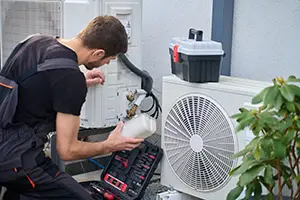
Both maintenance and insurance play significant roles in a community’s success. Without a board to hire vendors, sign checks, and pay premiums, these two costs are bound to lapse. Common areas and amenities will eventually deteriorate. In emergency cases, the lack of insurance coverage will force the association to forgo repairs.
3. Property Value Decline
All things combined can negatively impact curb appeal and cause property values to take a nosedive. The association may even be forced to enter receivership, which can scare off both mortgage lenders and potential buyers. When no one wants to be an HOA board member, it can spell the ultimate end of the association itself.
What to Do When No One Wants to Serve on the HOA Board
When no one volunteers for the HOA board, potential remedies include holding over the current directors, appointing replacements, engaging professional management, relying on committees, or petitioning for a court-appointed receiver.
1. Holdover Directors
Until the community elects replacements or the board appoints them, current board members continue to serve. This happens even if their official term has ended.
2. Appoint Replacements
Depending on state laws and the governing documents, the remaining board members may be able to appoint replacements to fill open seats. In Illinois, the law allows the board to fill a vacancy with a two-thirds vote from the remaining directors until the next election (765 ILCS 160/1-25 for HOAs and 765 ILCS 605/18 for condo associations).
3. Turn to Professional Management
Some communities hire an HOA management company to oversee day-to-day operations, including maintenance, financial management, and rule enforcement. While the HOA manager doesn’t hold a seat on the board, they can help alleviate the board’s burden by taking on administrative tasks.
4. Use Committees
If the board can’t handle all the tasks, it helps to form committees to shoulder some of the work. For example, a grievance committee can deal with complaints or disputes, while a finance committee can manage the association’s funds.
5. Petition for a Court-Appointed Receiver
If the number of active directors drops to zero, it could signal the collapse of the association. In that case, residents may petition the court for a receiver. Of course, receivership should be the last option, as it is usually very expensive.
How to Recruit HOA Board Members
The best way to avoid an empty board is to attract prospects or candidates, but many don’t know where to begin. Some strategies that can help include approaching owners personally, clearly explaining board roles, using committees as stepping stones, reducing requirements, focusing on vocal owners, starting a mentorship program, and offering ongoing training.
1. Ask Personally
Sometimes, no one wants to be an HOA board member because they simply haven’t been asked. Existing directors should try walking up to their neighbors and asking them if they are interested in joining the board. This approach may work better than impersonal emails or newsletters.
2. Clarify Roles
Many homeowners hesitate to volunteer because they don’t know exactly what’s involved. Clarifying roles and responsibilities helps set expectations, allowing owners to choose the position that best suits them.
3. Leverage Committees
If owners are interested in volunteering but don’t want to immediately take on a board role, invite them to join a committee to start. This can serve as a pipeline for future leaders.
4. Reduce Requirements
If the association’s bylaws are too strict on board qualifications, consider adjusting them to cast a wider net. An alternative is to reduce the number of required board seats, such as from seven to five. This way, there are two fewer positions to fill.
5. Select Vocal Homeowners
Often, the people with the most complaints have the best ideas for improving the community. It may be worth focusing on these owners and honing their skills. Of course, they must be willing to put in the time and work, too.
6. Mentorship Program
Associations can establish a mentorship program where current directors guide prospects and show them the ropes. This shadowing setup helps cultivate future leaders, giving them a strong start.
7. Offer Training
Some homeowners want to volunteer but aren’t confident in their skills. Offering training and ongoing education can help build on their existing talent and refine other skills in the process.
Should an HOA Offer Incentives to Attract Candidates?
It depends on what state laws and the governing documents allow, but it is generally not a good idea.
When no one wants to be an HOA board member, some associations think that offering incentives can boost numbers. Yet, gifts, waiving dues, and providing compensation are not always permitted. In Illinois, HOAs aren’t allowed to pay board members unless the governing documents say otherwise (765 ILCS 160/1-25).
Incentives are not a long-term solution. Plus, they can interfere with board members’ volunteer status, eliminating certain protections in the process.
Avoiding Negative Effects
If no one wants to be an HOA board member, it is important to investigate the reasons, develop a remedy, and work to attract volunteers. Serious consequences can follow if the board remains empty for too long.
Hillcrest offers HOA management services to communities in Chicago. Call us today at 630-627-3303 or contact us online to request a proposal!
RELATED ARTICLES:
- New HOA Board Member Onboarding Process And Checklist
- HOA Board Resignation: How To Fill In Vacancies?
- HOA Board Member Removal: Recall, Censure, And Committee Limits