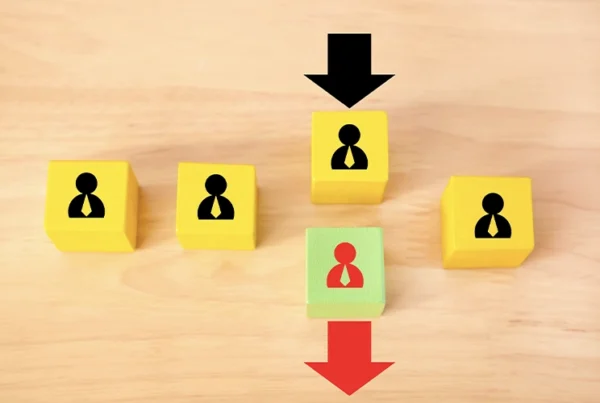

Homeowners often complain about HOA abuse of power without really knowing what it means. Abuse of power can display itself in several ways, and learning how to identify it is part of the resolution. On their part, boards must implement certain strategies to prevent abuse of power.
What is HOA Abuse of Power?
Abuse of power refers to the misuse of board authority, often in an unfair, discriminatory, or self-dealing manner.
In an HOA or condominium, board members have certain powers, but these powers are limited. State laws and the association’s governing documents define the extent of these powers. Stepping out of line jeopardizes the board’s credibility and leads to legal issues.
What Does HOA Board Abuse of Power Look Like?
Common examples of HOA abuse of power include selective rule enforcement, retaliation, arbitrary or unauthorized fines, conflicts of interest, financial crimes, improper closed meetings, unilateral decisions, refusal of valid records requests, and unauthorized casting votes. Let’s discuss these below.
1. Selective Rule Enforcement
Boards have a responsibility to treat all owners equally and enforce the rules consistently. Enforcing a rule against some but not all owners, or applying some rules but not others, is a clear violation of this responsibility.
2. Retaliation
Retaliation is another blatant example of HOA board member abuse of power. This happens when the HOA targets a specific owner — excessively fining them or scrutinizing their every move — for speaking against or disagreeing with the board.
3. Arbitrary or Unauthorized Fines
Fines must strictly follow the association’s fine policy. Boards can’t impose fines if they don’t have the authority. Moreover, fine amounts shouldn’t fluctuate depending on who is violating a rule. Such practices are examples of HOA abuse of power.
4. Conflicts of Interest
A conflict of interest exists when a board member financially gains from an agreement or decision. For example, a director may push to hire a certain contractor in exchange for a bribe or because it’s owned by a relative (or even themselves).
5. Financial Crimes
Fraud, theft, and embezzlement are illegal, even resulting in jail time, but they are also examples of HOA abuse of power. Board members misuse their authority to secretly steal from the association or use HOA funds for their own personal purposes.
6. Improper Closed Meetings
Associations are allowed to hold closed board meetings, but only under certain circumstances. Conducting executive sessions “just because” or without proper cause betrays the owners’ trust in the board.
7. Unilateral Decisions
One-sided decisions are a clear example of an HOA overstepping its authority. Board members must vote on issues together, so no single director may decide on their own.
8. Refusal of Valid Records Requests
In Illinois, homeowners can inspect or copy certain association records upon written request. When the board denies a legitimate request, it is effectively concealing information that owners have a right to access. This is not only an abuse of power, but also raises suspicions regarding the board’s integrity.
9. Unauthorized Casting Vote
An HOA president’s abuse of power can happen when they claim to have a casting vote even when the bylaws say otherwise. A casting vote is a tie-breaking vote that essentially gives the president two votes in case of a deadlock.
Understanding Enforcement vs Abuse of Power in HOAs
Some homeowners find it hard to identify when an HOA is abusing its authority. What may be a simple case of routine enforcement could be misconstrued as abuse of power.
Legitimate rule enforcement applies a valid rule. It penalizes owners after notice and an opportunity to be heard (765 ILCS 605/18.4 and 765 ILCS 160/1-30), provided the case is proven against the owner. Penalties are reasonable and in line with the governing documents.
On the other hand, abuse of power happens when the board uses its authority for improper reasons. Examples include targeting specific owners, ignoring the law or governing documents, imposing excessive fines, and hindering due process.
How to Avoid HOA Power Abuse
Abuse of power increases the association’s legal exposure, destroys trust, and damages the board’s credibility. Here’s how boards can avoid HOA abuse of power or even the appearance of it.
1. Adhere to State Laws and Governing Documents
Board members must always adhere to state laws and the governing documents. Meetings must be open to all members, except in the case of executive sessions. Executive sessions must follow strict requirements and procedures.
For voting, board members generally receive equal power. The HOA president’s tie-breaking authority should be clearly defined in the bylaws.
2. Adopt a Formal Enforcement Policy
Associations must enact and implement a written enforcement policy. Consistent and fair application is mandatory. Boards must follow the stipulated notice requirements, hearing procedures, and fine schedules.
3. Make Records Reasonably Available
Homeowners have a right to inspect certain books and records of the association (765 ILCS 605/19 and 765 ILCS 160/1-30). Upon receipt of a request, boards must comply within the specified timeframe. Denials must have valid reasons.
4. Avoid Conflicts of Interest
If there is a conflict of interest, the conflicted director must disclose it to the board. They must then recuse themselves from the discussion and subsequent vote.
5. Keep Each Other in Check
Board members can promote accountability by keeping each other in check. Decisions must be made on a majority basis, with no single director calling the shots.
6. Undergo Proper Training
Continuing education and training enable the board to adopt industry best practices. It also helps to attend workshops or programs that discuss a code of ethics.
7. Hire an HOA Management Company
Self-managed boards are more likely to overstep their authority, whether intentionally or accidentally. An HOA management company can guide the board in enforcement, decision-making, and legal compliance. Many companies even offer board training.
Clean and Effective Governance
Board members must strive to avoid HOA abuse of power or even the semblance of it. The slightest whiff of abuse can damage the board’s reputation, lead to a recall, or result in legal action. When in doubt, hiring an HOA management company can help keep things in line.
Hillcrest offers HOA management services to communities in Chicago. Call us today at 630-627-3303 or contact us online to request a proposal!
RELATED ARTICLES:
- Is It HOA Harassment or Rule Enforcement?
- Can A Homeowners Association Fine You?
- HOA Board Member Removal: Recall, Censure, And Committee Limits